


What Adaptive MFA fixes?

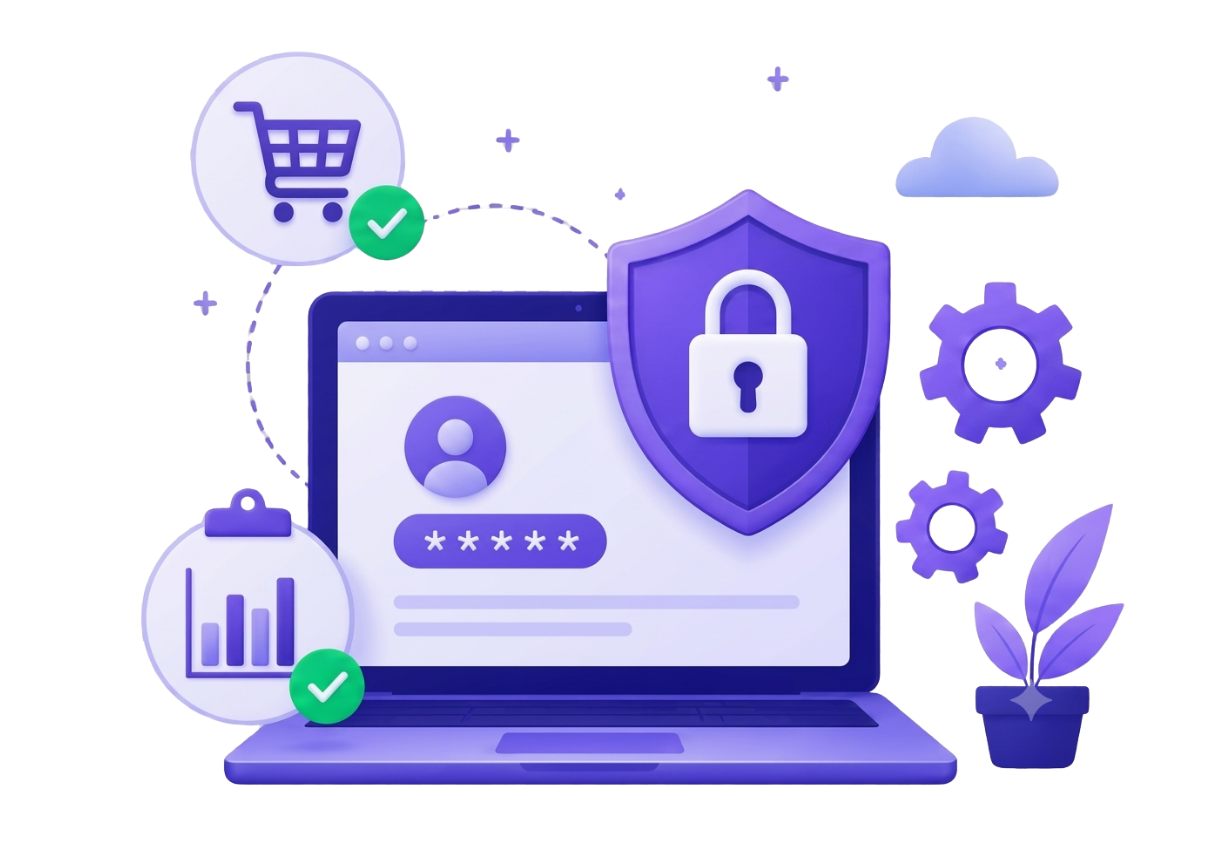
MFA Fatigue

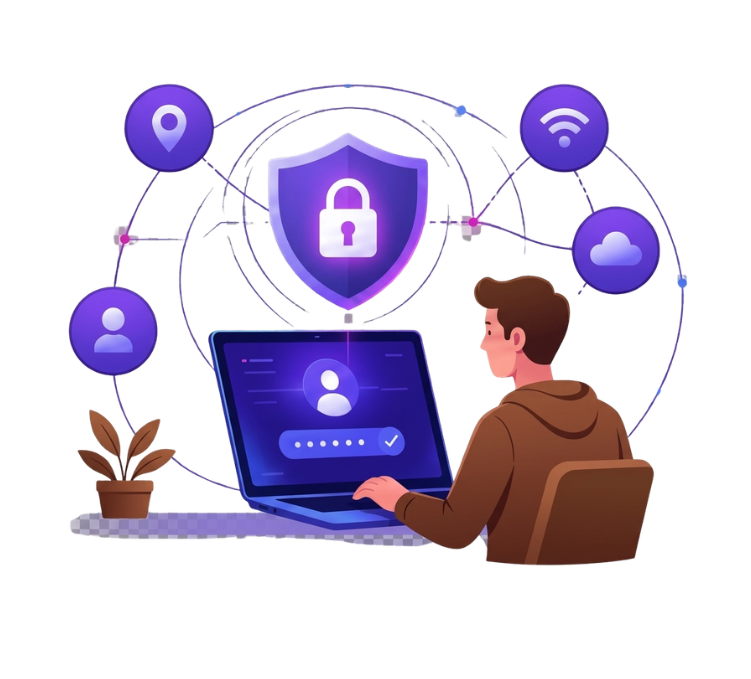
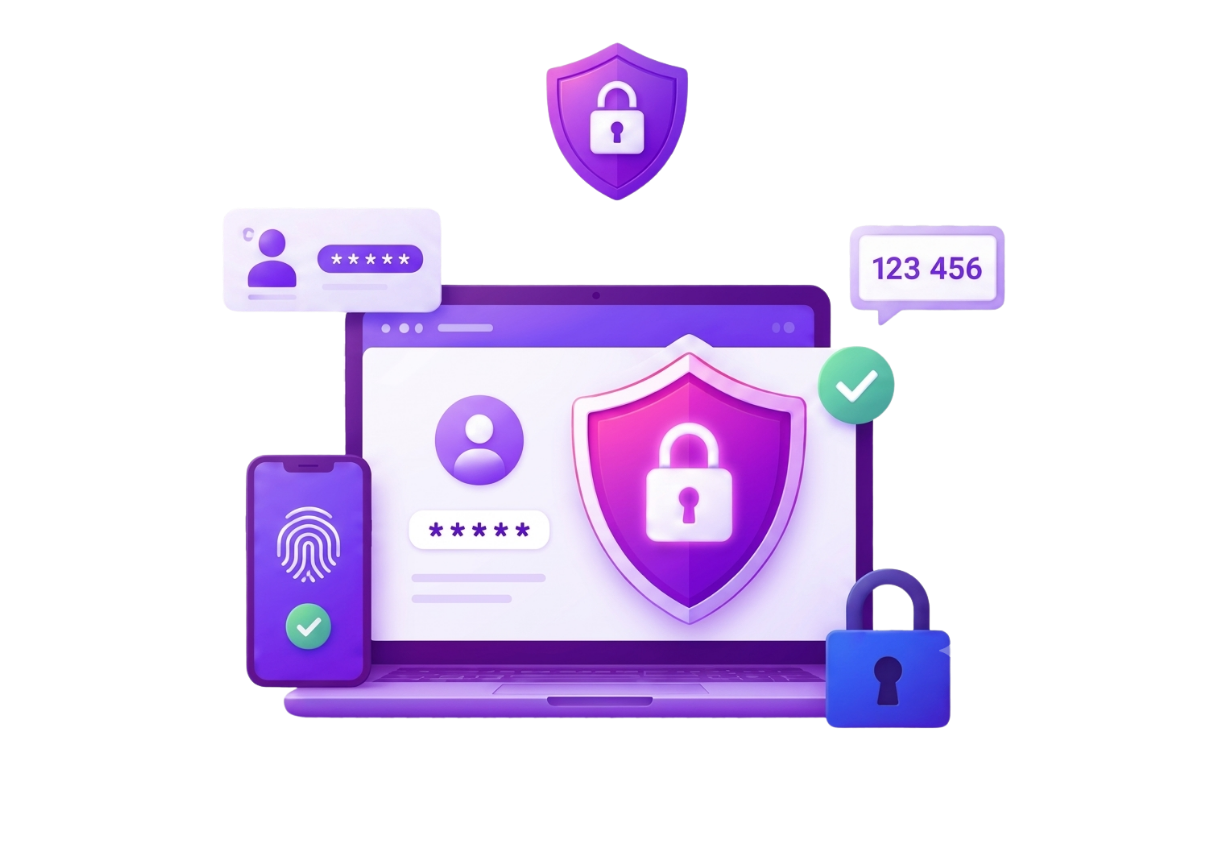
Reduce needless prompts so users don't approve attacks by habit.

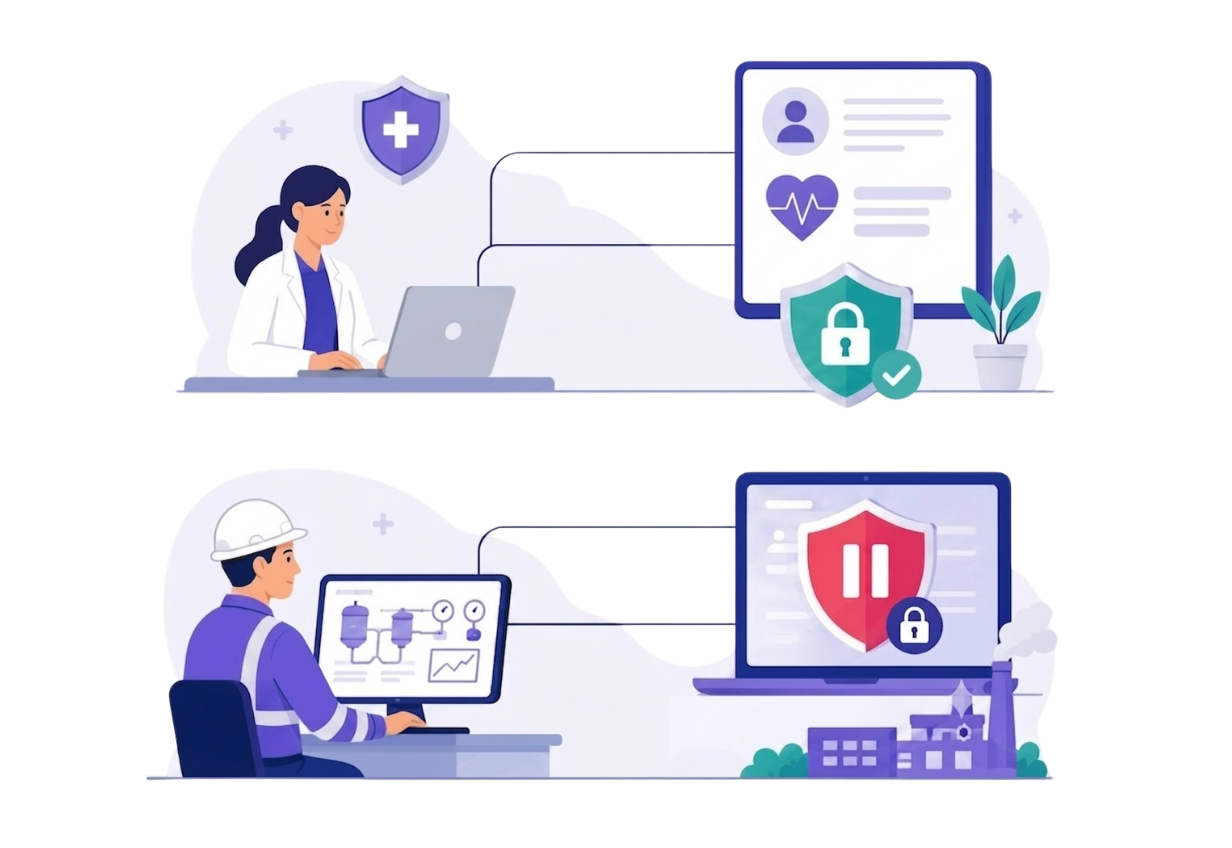
Phishing replay

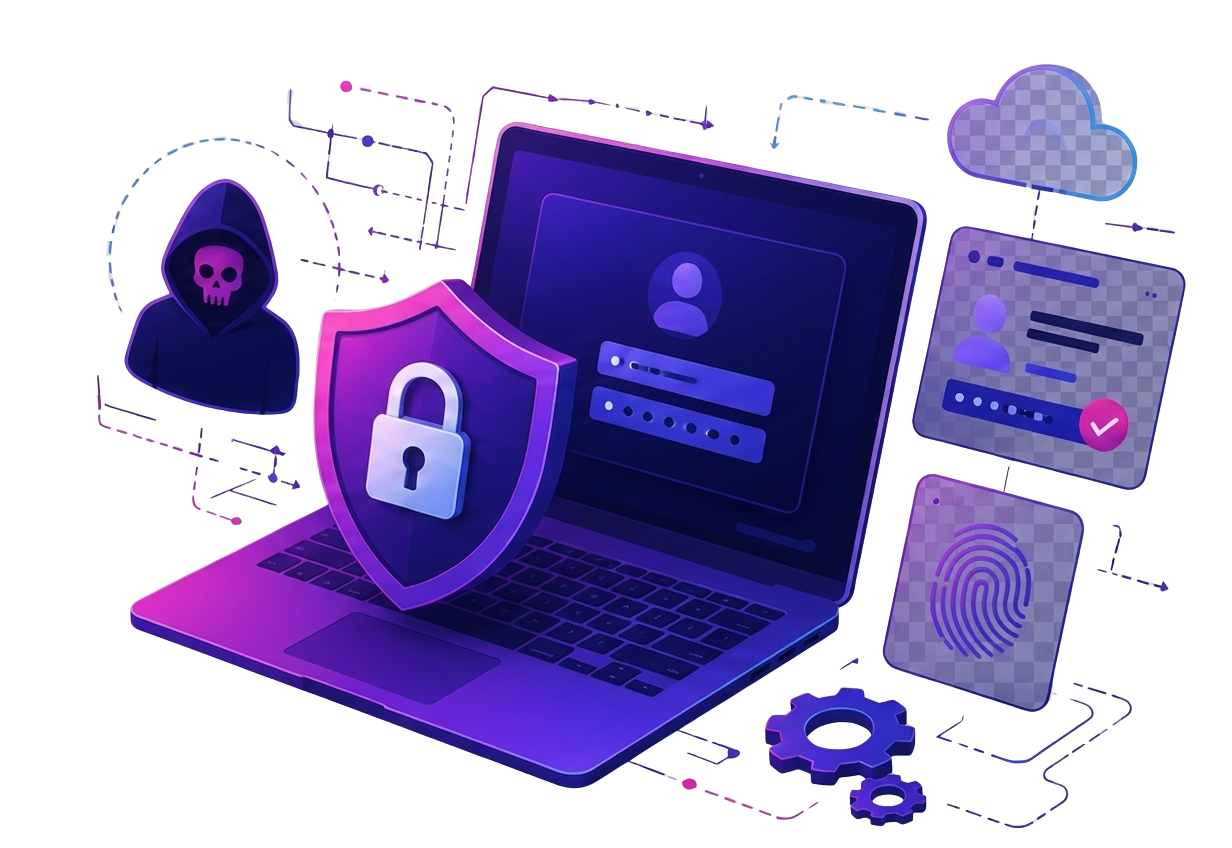
Stop stolen credentials and OTP replays with context-aware enforcement.

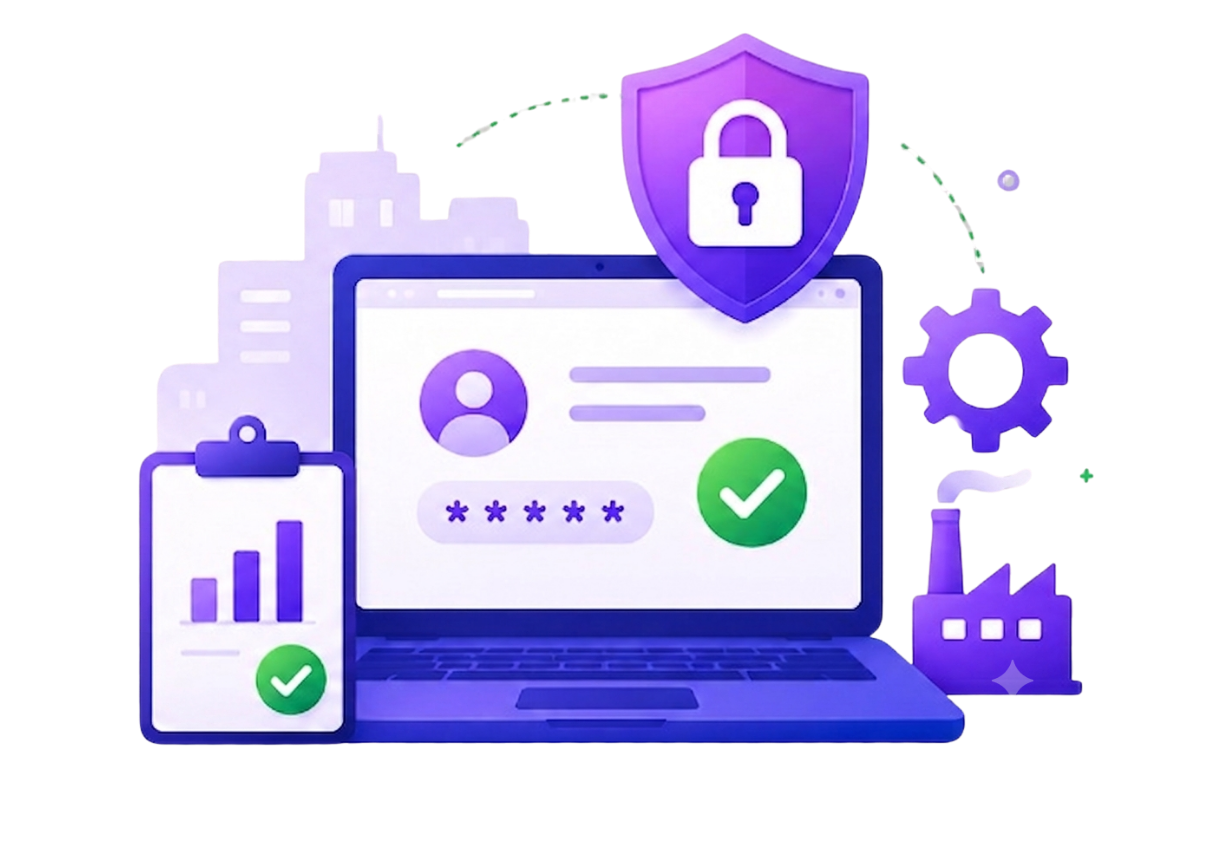
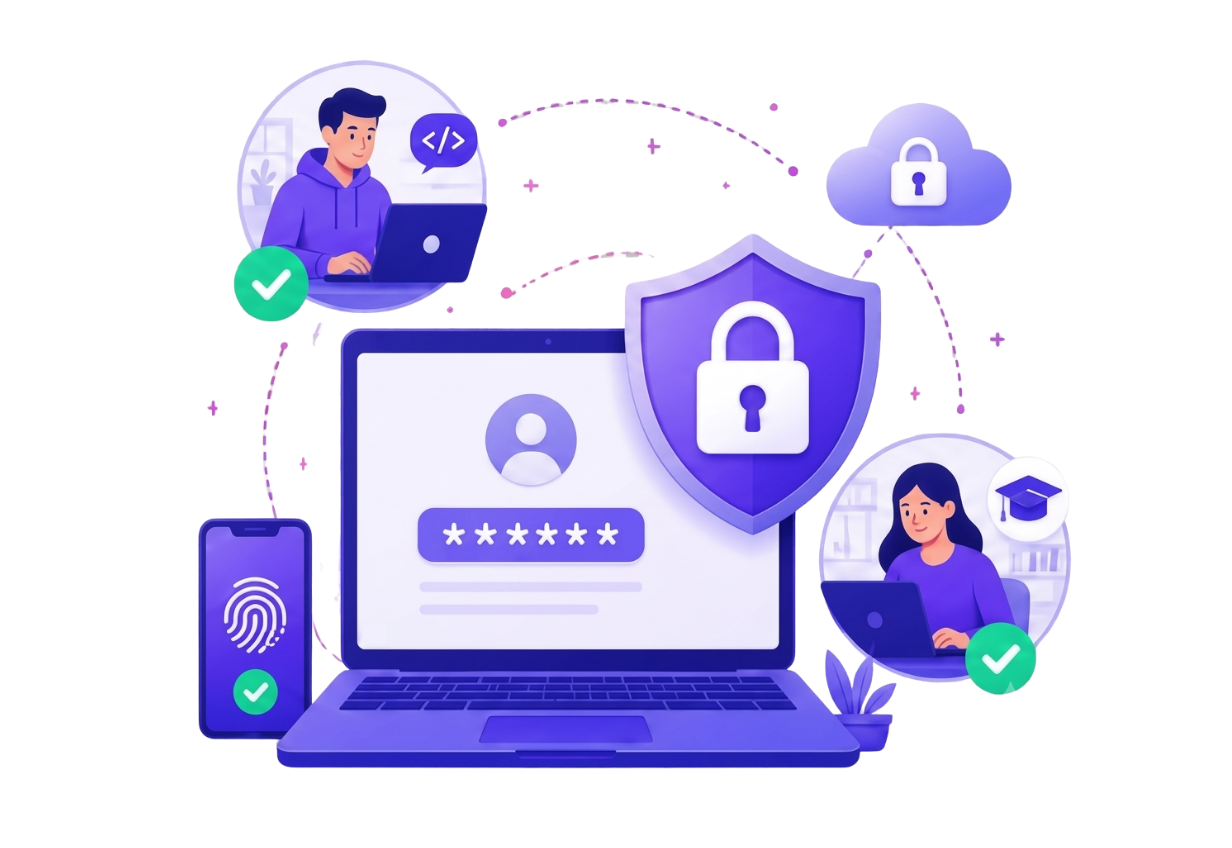
Remote & vendor risk

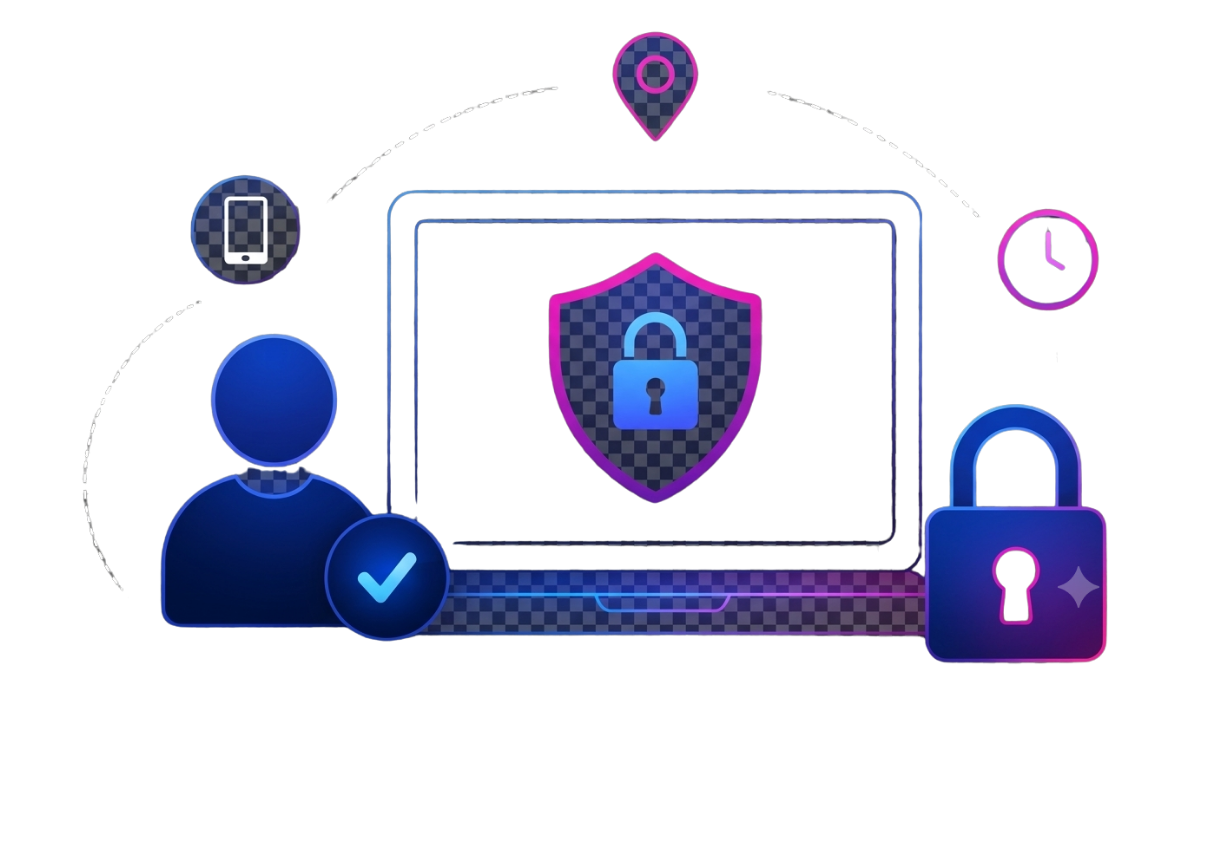
Enforce location, time, and device trust policies automatically.

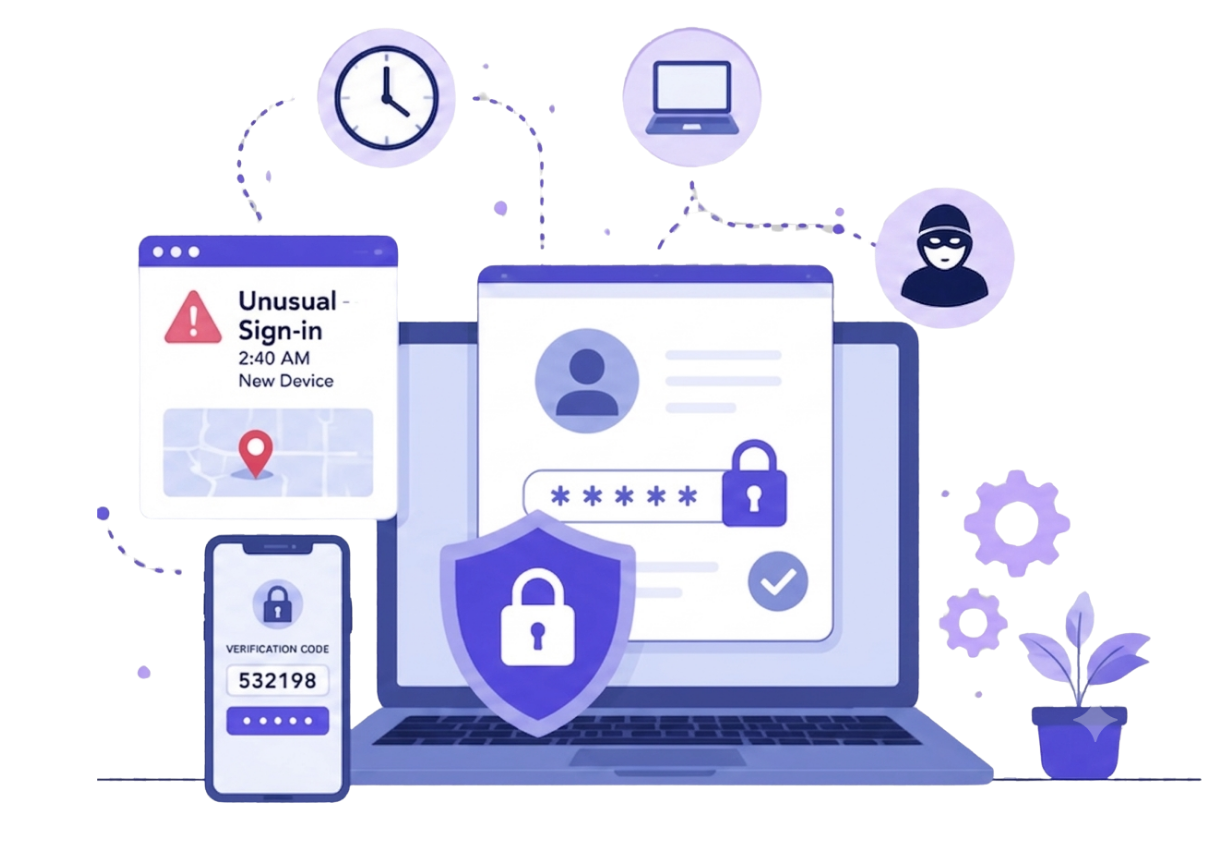
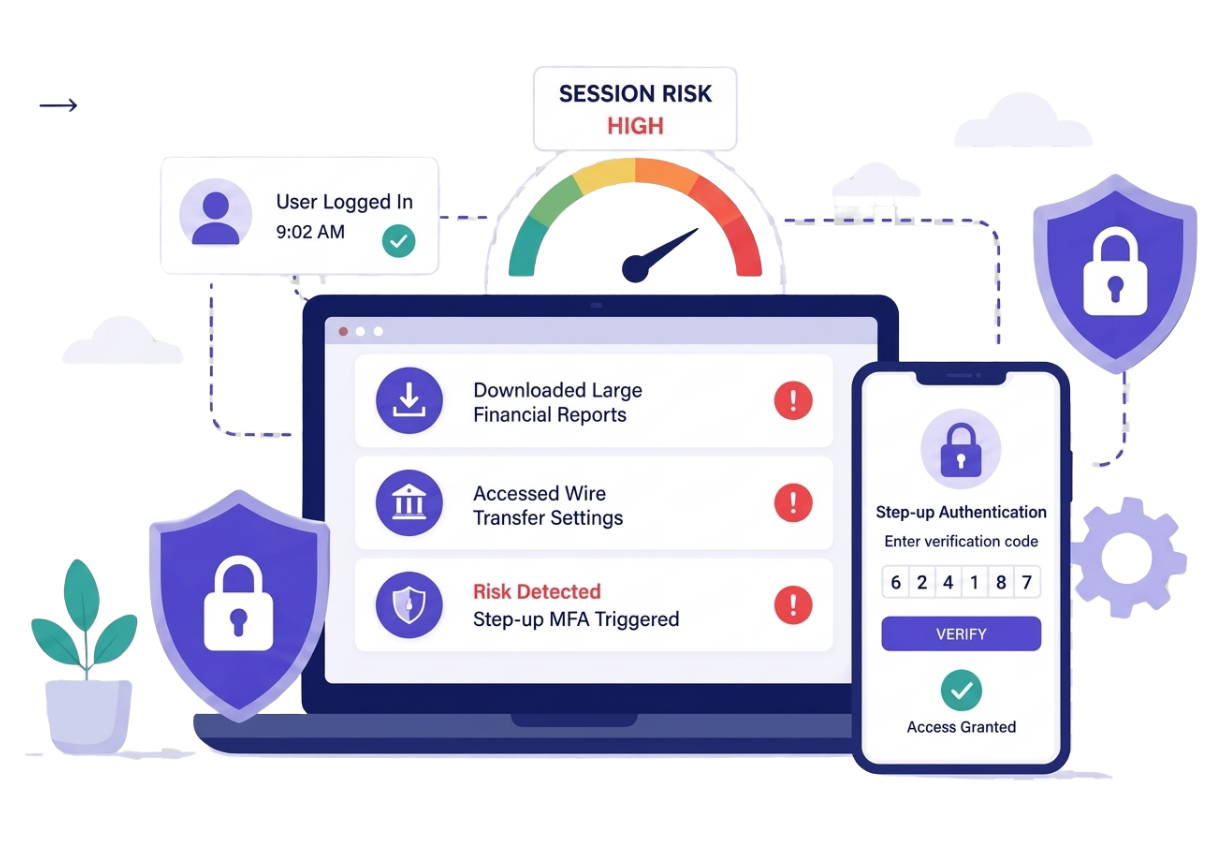
Session blind trust

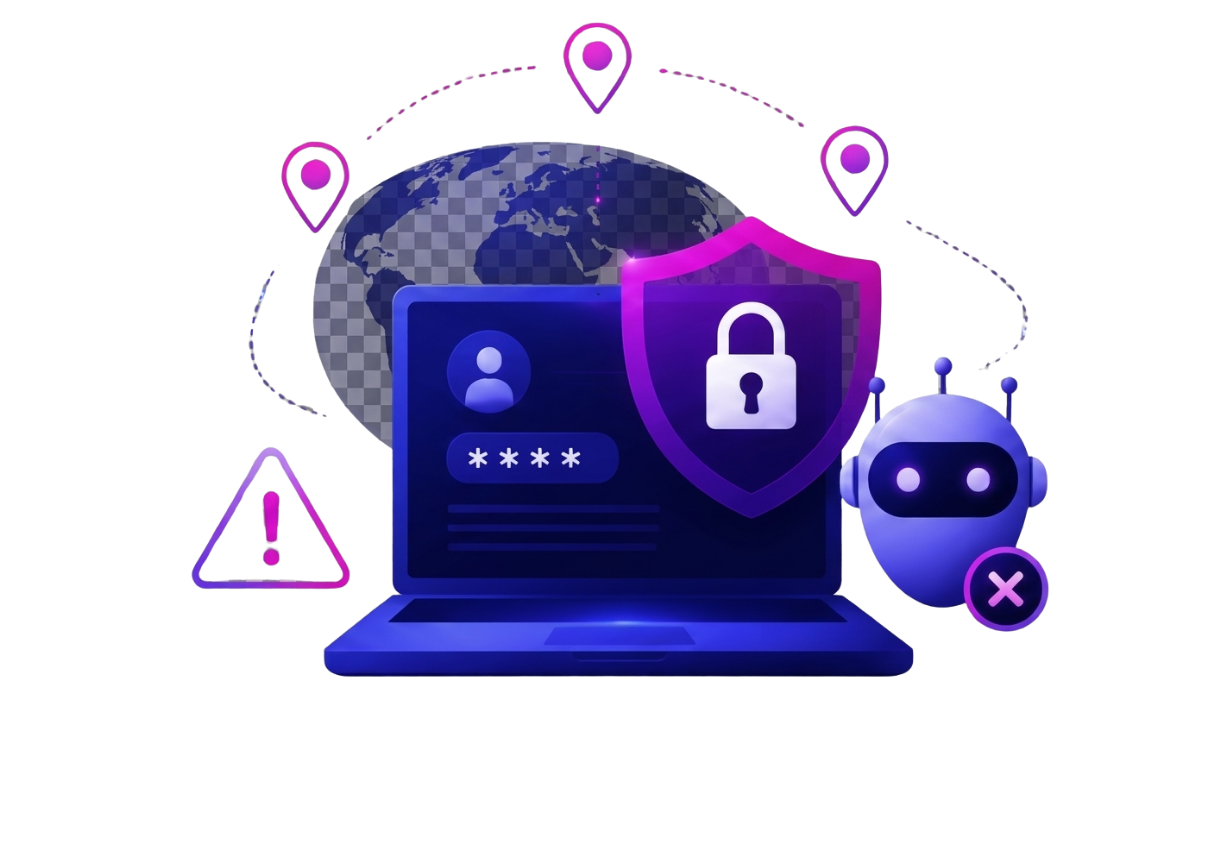
Re-check trust signals as risk changes during the session.

People don’t log in from one place anymore.

Hybrid work, vendors, and SaaS sprawl create real risk. Adaptive MFA should adapt to users — without creating friction.

Image
The pain: static MFA treats every login the same

That causes constant prompts for trusted users — and weak security for risky attempts.

  • Trusted routine

    Same device, same city, work hours → should be smooth access.

  • Risk spike

    New device, odd time, abnormal behavior → should trigger step-up or block

  • Session changes

    Risk can change after login → trust must be re-validated.

Shape Image

Security that adapts to your needs — not a one-size-fits-all MFA.

Remote employee login (trusted routine)

Same laptop, same city, normal work hours. Users should not be punished with constant prompts.

Traditional MFA
  • Prompts every time
  • Creates fatigue and frustration
  • More support tickets
Rainbow Secure Adaptive MFA
  • Recognizes trusted context
  • Allows smooth access
  • Monitors risk in the background
expert-image

Phished credentials + OTP replay attempt

An attacker steals a password and OTP. The system must evaluate context, not just inputs.

Traditional MFA
  • May accept replayed OTP
  • “Correct code” ≠ “trusted user”
  • Account takeover risk remains
Rainbow Secure Adaptive MFA
  • Detects new devices or anomalies
  • Triggers enhanced verification
  • Plaintext passwords ineffective.
expert-image

Vendor / contractor access

Vendors log in from changing locations. You need conditional rules, not constant friction.

Traditional MFA
  • Too permissive or too disruptive
  • Hard to control access windows
  • Limited policy context
Rainbow Secure Adaptive MFA
  • Time + location + device policies
  • Step-up only when risk increases
  • Restrictions outside rules
expert-image

Impossible travel / bot-driven attempts

Logins from distant locations within minutes or repeated failures from bots should be stopped instantly.

Traditional MFA
  • May still allow access
  • Security reacts after the fact
  • Sessions can remain trusted
Rainbow Secure Adaptive MFA
  • Detects high-risk signals
  • Blocks and alerts automatically
  • Terminates risky sessions
expert-image
Shape

Adaptive controls built for modern access patterns.

Everything you need to enforce smarter MFA across employees, vendors, and high-risk
applications.

Risk-based step-up

Trigger stronger verification only when risk signals appear.

Geo-fencing & work locations

Allow trusted regions; step-up or block outside known locations.

Time-based access windows

Enforce business hours, shifts, or project-based access schedules.

Device fingerprinting

Recognize trusted devices and challenge unknown devices.

Bot & brute-force defense

Detect abnormal attempt patterns and block automatically.

Login alerts & audit logs

Visibility for admins with exportable logs for compliance.

Policy by role / group / app

Different protection for finance, admins, vendors, and HR.

Session-aware trust

Continuously validate risk, not just at the login moment.

Three steps: evaluate risk, decide trust, enforce the right challenge.

Rainbow Secure Adaptive MFA reduces friction when things look normal — and steps up security the moment risk changes.

Evaluate context in real time

Analyze device trust, geo-location, time, login velocity, and behavior signals at login — and again during the session.

Assign risk automatically

Low risk = seamless. Medium risk = step-up. High risk = block + alert. Policies are configurable by role, app, and group.

Enforce the right challenge

Trigger interactive verification, OTP methods, or conditional controls only when needed — attackers can’t replay what they can’t replicate.

Static MFA is breaking security — and productivity.

Most MFA tools treat every login the same. Attackers don’t. Adaptive MFA responds to what’s
happening now.

Users get prompt fatigue

Users provide initial credentials (e.g., username and password) to log in.

Stolen credentials still work

The system analyzes factors like location, device, IP, and behavior to calculate a risk score.

Sessions are blindly trusted

Predefined security policies determine required authentication levels.

Fortify Security with Rainbow Secure's Adaptive Authentication

Discover how Rainbow Secure’s Adaptive Authentication intelligently evaluates every login attempt using real-time risk signals. Instead of applying the same authentication challenge to every user, it dynamically adjusts security based on context, ensuring stronger protection with a seamless user experience.
  • Evaluates each login based on device, location, network, user behavior, and risk level.
  • Continuously assesses authentication requests to detect suspicious or & high-risk activities.
  • Applies additional verification only when necessary, reducing unnecessary MFA prompts.
  • Blocks unauthorized access attempts using intelligent, risk-based authentication policies.
  • Provides frictionless access for trusted users while strengthening security against threats.

Real-World Use Cases by Risk Scenario

  • Trusted Routine
  • Risk Spike
  • Session Changes

Reduce takeover risk without creating MFA fatigue.

Adaptive MFA reduces the risk of account takeovers by adding extra security only when needed, based on user behavior.
This approach minimizes MFA prompts for low-risk activities, preventing fatigue while still ensuring strong protection against
threats. It strikes the perfect balance between security and user convenience.

00 +

Fewer risky logins succeed

00 +

Lower MFA fatigue & approvals

00 +

Better audit visibility

Image
Estimated attack success likelihood

The estimated attack success likelihood measures the probability of a security breach succeeding based on current vulnerabilities and threat factors. It helps in assessing potential risks, guiding defensive strategies, and prioritizing resources to mitigate the most probable threats.

Password only

OTP-based MFA

Push MFA

Adaptive MFA (Rainbow Secure)

Shape Image
Shape Image
image

Watch Video

Real-World Use Cases by Risk Scenario

Something You Know

This includes traditional passwords, PINs, or security questions. Rainbow Secure enhances this factor with customizable colors and styles for added security.

Something You Have

Access to phone or email or any other device where user receives one time password.

Something You Do

Like Applying coloring or styling your login password to personalize it, or formatting OTP code sent to email, or phone gives multi-layer defense to your login account.

Somewhere You Are

You can configure trusted locations for users for work, home and travel with date time ranges to allow access to account at right time at right place to right user. All other locations are considered suspicious and handled accordingly.

Image

Why Organizations Need Adaptive MFA?


According to Ponemon Institute statistics, a staggering 77% of companies lack adequate preparedness in defending against cyberattacks and data breaches.

Such breaches can result in immense financial losses, potentially crippling any organization’s growth.

Therefore, it is imperative to adopt robust security measures like Adaptive Multi-Factor Authentication (MFA) to proactively ward off cyber threats while enabling your workforce to focus on productivity and peace of mind.

Here are some compelling reasons why modern organizations should embrace Adaptive Authentication.

Adaptive Authentication Benefits

  • Upgrade Data Security

    Enhance the security of your organization’s sensitive data with Adaptive Authentication. It safeguards against unauthorized access to corporate networks and confidential information by employing advanced runtime risk analysis.

  • API Integration

    Use Rainbowsecure Adaptive Authentication APIs to add extra security with Adaptive MFA to all your SaaS apps on any web browser-supported device with quick and effortless deployment.

  • Flexible & Seamless Setup

    Rainbowsecure’s Adaptive Authentication supports various use cases, seamlessly integrating with your systems. Admins can set custom policies using dynamic setup options.

  • Real-Time User Access Restriction

    Adaptive Multi-Factor Authentication (MFA) empowers you to restrict user access based on factors such as IP, device, location, and time. It continuously evaluates session attributes in real-time to assess risk and determine access privileges.

  • Platform Independent

    Our Adaptive MFA product is platform-agnostic and seamlessly deployable on any device with web browser support, regardless of the device type.

  • Adaptability for different use cases

    Maintain a seamless user experience by keeping advanced security measures transparent to end users. This approach preserves productivity as users can work without interruptions caused by security worries.

Image

Adaptive MFA Solution Pricing


For Work force (B2B)

Start with a 30-day free trial $1 per user / month

Get Quote

Proven by Our Customers

Common questions buyers ask.

Common questions include how Adaptive MFA reduces risk, prevents MFA fatigue, and integrates with systems
while enhancing security.
  • What is Adaptive MFA in simple terms?

    Adaptive MFA adjusts verification based on risk. Trusted logins stay smooth; unusual logins trigger step-up checks; high-risk attempts get blocked and alerted

  • Does Adaptive MFA reduce MFA fatigue?

    Yes. By avoiding unnecessary prompts for trusted routines, you reduce fatigue and lower the chance of accidental approvals.

  • What signals can we use in policies?

    Common signals include device fingerprinting, geo-location/work locations, time-of-day rules, login velocity (impossible travel), failed attempts, and anomalous behavior patterns.

  • How does this help against phishing and replay?

    Rainbow Secure evaluates context and behavior, not just “correct inputs.” Attackers can steal credentials, but they can’t reliably replicate trusted context — so plain password text is useless to them.
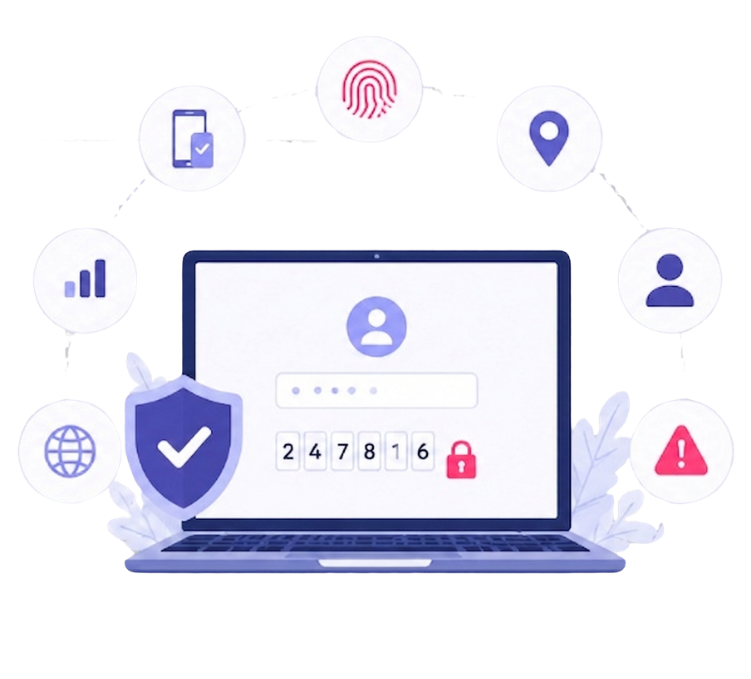
Image
FROM THE BLOG

Go deeper on identity security

Insights on moving beyond passwords and building phishing-resistant identity.
Your Biggest Security Risk May Already Be Inside Your Company

Your Biggest Security Risk May Already Be Inside Your Company

The most dangerous identity in your organization may not belong to an attacker. It may belong to an administrator.Organizations spend millions detecting external threats.But here’s an…

Read More →
MFA Is Not the Finish Line: Why Identity Security Must Move Beyond the Login

MFA Is Not the Finish Line: Why Identity Security Must Move Beyond the Login

For years, organizations have treated authentication as a security checkpoint:Enter your password → complete MFA → get access.But the threat landscape has changed.Today, attackers don’t necessarily need…

Read More →
The SafePal Breach: When an Order-Tracking Flaw Becomes an Identity Security Crisis

The SafePal Breach: When an Order-Tracking Flaw Becomes an Identity Security Crisis

What a crypto hardware-wallet data breach teaches every CISO about authorization, identity, and the danger of “non-critical” dataA cybersecurity incident does not always begin with…

Read More →


Ready To Get Started ? We're Here To Help

Start your journey with us today. It’s quick, easy, and we’re here to help you every step of the way.

Let’s Talk

Organizations That Trust Rainbow Secure